Ultrasound Guided Iv Certification Ultrasound guidance enables visualization of veins that are not apparent on physical examination resulting in fewer needlesticks more rapid cannulation and less discomfort in patients with
Introduction to Ultrasound Guided Peripheral IV Insertion Online Course provides participants a strong foundation to perform ultrasound guided peripheral IV insertion techniques July 14 2021 Tips and Tricks Best Practices for Ultrasound Guided IV Placement Background Placement of an ultrasound guided peripheral intravenous line USPIV has become an essential skill for any emergency physician
Ultrasound Guided Iv Certification
 Ultrasound Guided Iv Certification
http://emultrasound.sdsc.edu/wp-content/uploads/2017/12/Intro_Procedural_Ultrasound-06.png
Training to gain proficiency in ultrasound guided IV insertion is highly effective requiring as little as 30 minutes to four hours Establishing an ultrasound guided IV placement program reduces central line days avoids many central line placements and decrease central line associated bloodstream infections CLABSI RECOMMENDATIONS Level 1
Templates are pre-designed documents or files that can be utilized for various functions. They can conserve time and effort by offering a ready-made format and layout for producing various type of content. Templates can be used for individual or expert tasks, such as resumes, invites, leaflets, newsletters, reports, discussions, and more.
Ultrasound Guided Iv Certification

Ultrasound Guided Placement Of The Accucath 2 25 YouTube

021 Nurses Placing Ultrasound Guided IV Access W Bret Nelson MD

Ultrasound Guided IV Placement 3 2021 YouTube

Ultrasound Guided IV Trainer Phantom

A Woman Holding Up A Radio With The Words Ultrasound Guide Iv Tips On It

Ultrasound Guided Peripheral IV Insertion NurseAvatar

https://www.sonosite.com/education/sonosite-usgpiv-care-pathway-program
The new Sonosite USGPIV Care Pathway Program helps providers make ultrasound guided peripheral IV insertion a highly effective option for DVA and other patients While nearly all patients require a peripheral IV PIV during their hospital stay this procedure can be complicated when treating difficult venous access DVA patients experiencing de

https://hospitalprocedures.org/ultrasound-guided-peripheral-IV-course/
The ultrasound guided peripheral IV placement course will teach clinicians how to cannulate brachial basilic and cephalic veins under ultrasound guidance using in plane and out of plane techniques Through hands on practice students will gain competence in cannulating vessels under direct ultrasound visualization
https://www.atsjournals.org/doi/full/10.34197/ats-scholar.2022-0029HT
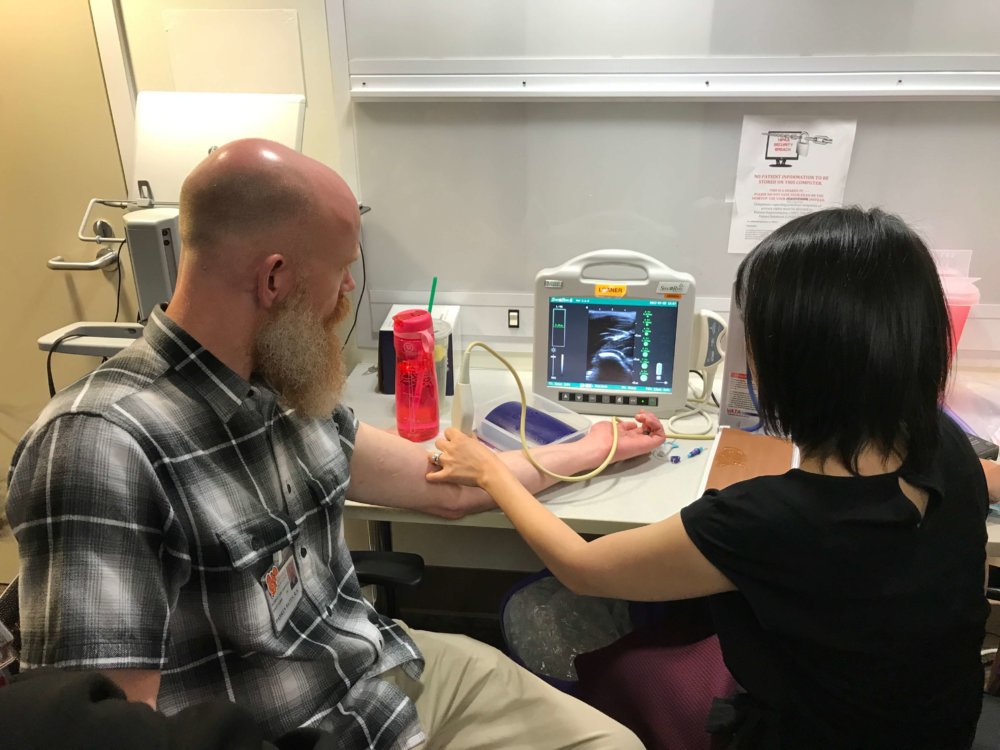
Ultrasound guided peripheral intravenous IV placement is often required for patients with difficult IV access and is associated with a reduction in central line placement This component of the training is a form of guided discovery where an expert provides verbal and even hands on guidance during the learning experience The actual

https://www.ncbi.nlm.nih.gov/books/NBK525988/
The success of ultrasound guided peripheral intravenous catheters USGIVs has been associated with significant reductions in central venous catheter placement in the emergency department 3 as well as enhanced patient satisfaction 4 Go to Anatomy and Physiology
https://www.sonositeinstitute.com/courses/ultrasound-guided-piv-access-new
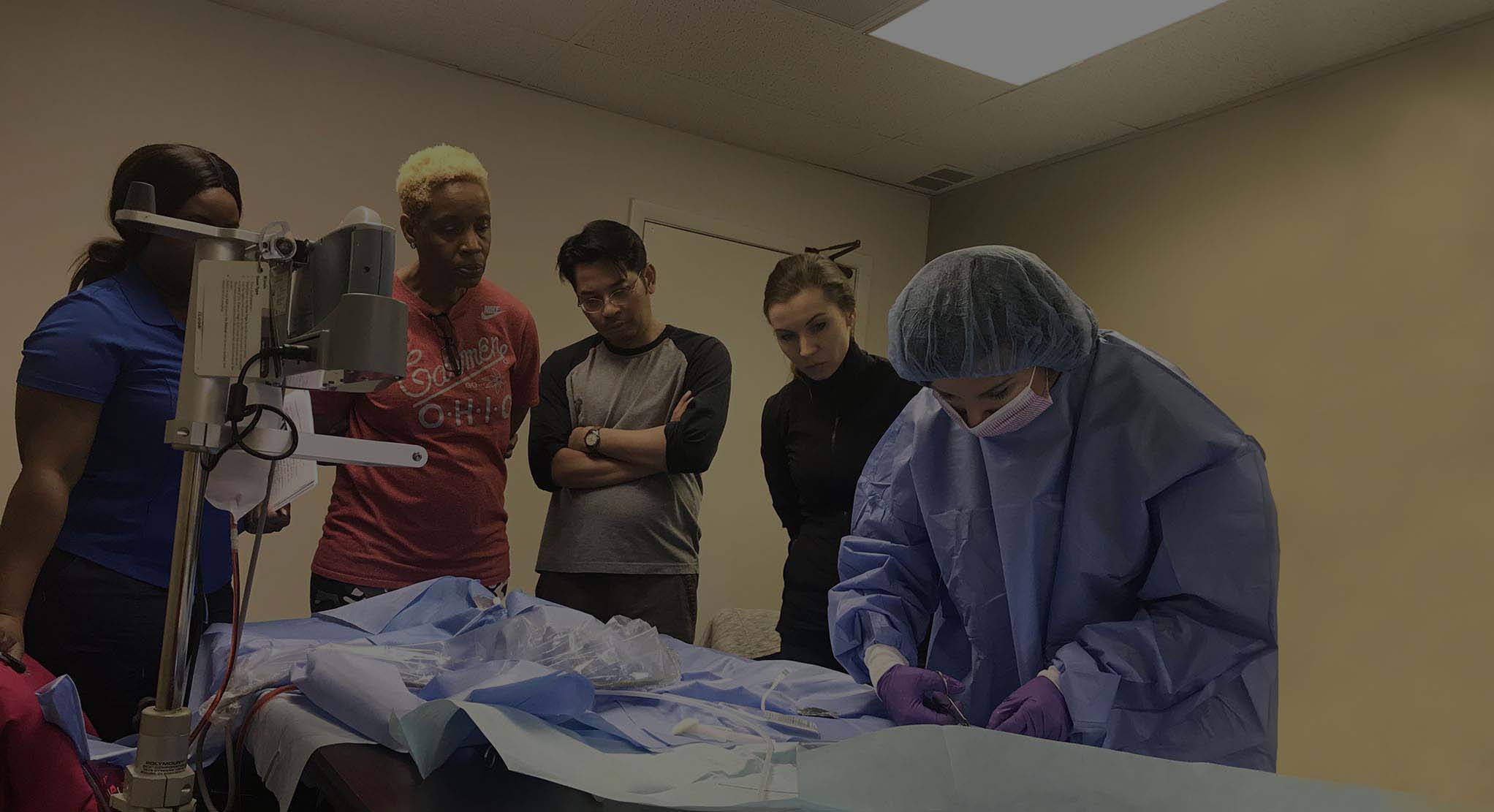
Ultrasound Guided Peripheral IV Access Technique and Pathology Technique and Pathology Ultrasound Guided Peripheral IV Access Post test Assess your knowledge of the material presented in lesson 1 and lesson 2 with a post test Score 80 or higher to receive a certificate of completion
Technical mastery of ultrasound guided peripheral intravenous USGPIV catheter insertion can be easily achieved through a short training course Mastery can be achieved even when trainees have a limited medical background before course attendance Recently the evidence based ultrasound guided short peripheral catheter USGSPC insertion method has been established as effective when caring for patients with difficult venous access The success rate is high and the added advantages of improved accuracy and more timely insertion increase patient safety and satisfaction
To use ultrasound for guidance during peripheral IV insertion UGPIV can significantly impact patient care and outcomes by reducing the number of insertion attempts thus speeding the delivery process and reducing opportunities for trauma or infection However UGPIV requires specific training simulation practice and ongoing mentorship